
Most Melbourne import businesses hit a point where the warehousing question stops being abstract. Stock outgrows the existing space, the team is tired of running the receiving dock themselves, or a new growth phase needs flexibility the current setup cannot deliver. The decision usually comes down to two paths: outsource to a third-party logistics provider (3PL) or build and run warehousing in-house. This guide walks through the cost, control and growth-stage trade-offs so the decision can be made on numbers rather than instinct.
What each model actually means
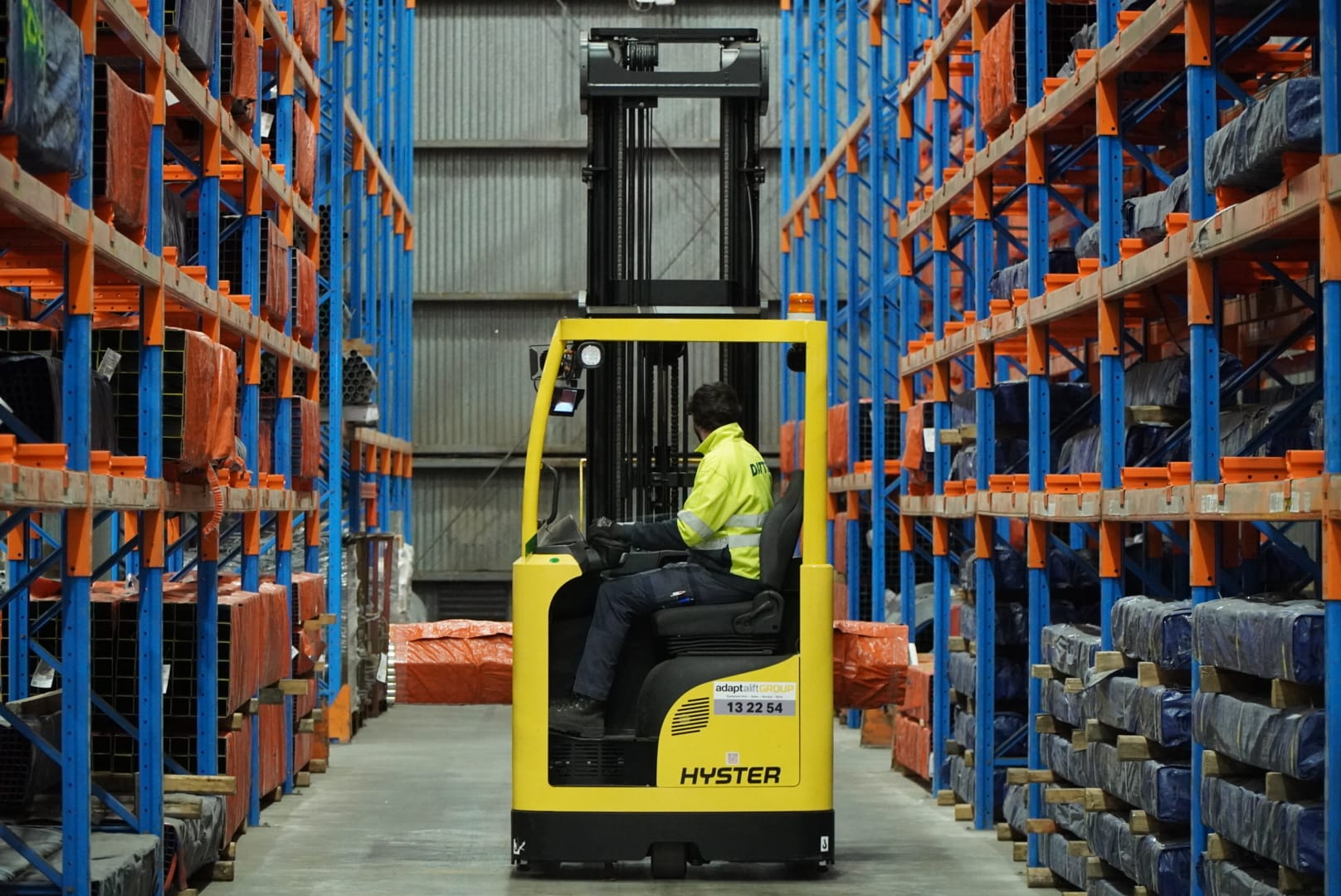
In-house warehousing means leasing or owning the building, hiring the warehouse team, buying or leasing equipment (forklifts, racking, WMS software), and managing all receiving, storage, picking, packing and dispatch internally.
A 3PL means outsourcing all of that to a provider who already operates the warehouse, employs the team, owns the equipment and runs the systems. You pay a per-pallet, per-pick or per-cubic-metre rate and you get your service level locked in by contract.
Side-by-side comparison
The two models behave very differently across the variables that matter to importers:
Variable | In-house warehousing | 3PL |
Upfront capital | High (lease deposit, equipment, racking, WMS) | Low (no asset investment) |
Fixed monthly cost | High and constant | Low when volume is low |
Variable cost | Low (sunk cost) | Scales directly with volume |
Time to operational | 2 to 6 months | 2 to 6 weeks |
Flexibility for volume swings | Low (paying for empty space) | High (pay only for what you use) |
Hiring and HR burden | High (full warehouse team) | None (provider’s responsibility) |
Direct control over process | High | Medium (subject to SLA) |
Compliance burden (DAFF, OH&S) | Owned by you | Owned by provider |
Tech and WMS investment | Required | Included |
Geographic flexibility | Locked to one site | Move or expand with provider footprint |
When in-house warehousing makes sense
In-house is the right answer in a specific set of circumstances:
- Annual storage and handling spend exceeds what a 3PL would charge for equivalent service (typically once your warehouse spend passes AUD 600,000 to AUD 800,000 per year).
- Cargo handling requires deeply specialised processes or equipment that no 3PL in your area supports.
- Compliance, security or IP-sensitivity requirements demand you control the physical environment directly.
- You have predictable, year-round volume with little seasonal swing.
- You have the management capacity to run a warehouse team well (this is a non-trivial discipline).
When a 3PL makes sense
A 3PL is usually the right move when one or more of the following apply:
- Volume is growing fast and unpredictably, and committing to a fixed footprint is too risky.
- You want to focus management attention on product, sales and supplier relationships rather than warehouse operations.
- Cargo requires DAFF-approved handling or fumigation and you do not want to fund the accreditation in-house.
- Seasonal swings mean an in-house warehouse would sit half-empty for parts of the year.
- You import into multiple states and want a national 3PL footprint without running multiple sites.
The cost calculation: a simple way to compare
The real comparison is total landed warehouse cost per unit shipped, not the headline storage rate. To run the numbers properly, capture:
- Total annual rent or 3PL spend.
- Equipment and racking depreciation (in-house only).
- Warehouse labour cost including on-costs (in-house only).
- WMS and IT cost (included in most 3PLs).
- Compliance and OH&S overhead.
- Management time spent on warehouse operations (a real cost most calculations ignore).
Divide that total by the number of units, pallets or orders shipped per year and compare the per-unit number against a 3PL quote. If the in-house number is more than 15 per cent below the 3PL quote, in-house is worth modelling further. If it is within 15 per cent or above, the 3PL is almost always the better operational decision once management overhead is factored in.
The five-question decision framework
If a full cost model feels like overkill, run through these five questions. Three or more “yes” answers point strongly to a 3PL.
- Do your monthly storage volumes vary by more than 30 per cent across the year?
- Has your import volume grown by more than 25 per cent in the last 12 months?
- Does any of your cargo require DAFF accreditation, fumigation or biosecurity handling?
- Would your founders or senior team save more than 5 hours per week if warehouse operations were owned elsewhere?
- Are you uncertain whether your current import volumes will hold up over the next three years?
What separates a good 3PL from a bad one
Choosing the wrong 3PL is worse than running an average in-house warehouse, so the selection matters. The signals to test for:
- Transparent pricing with no surprise line items in the first three invoices.
- Real-time inventory visibility through a customer portal rather than weekly spreadsheets.
- DAFF accreditation if any of your cargo touches biosecurity.
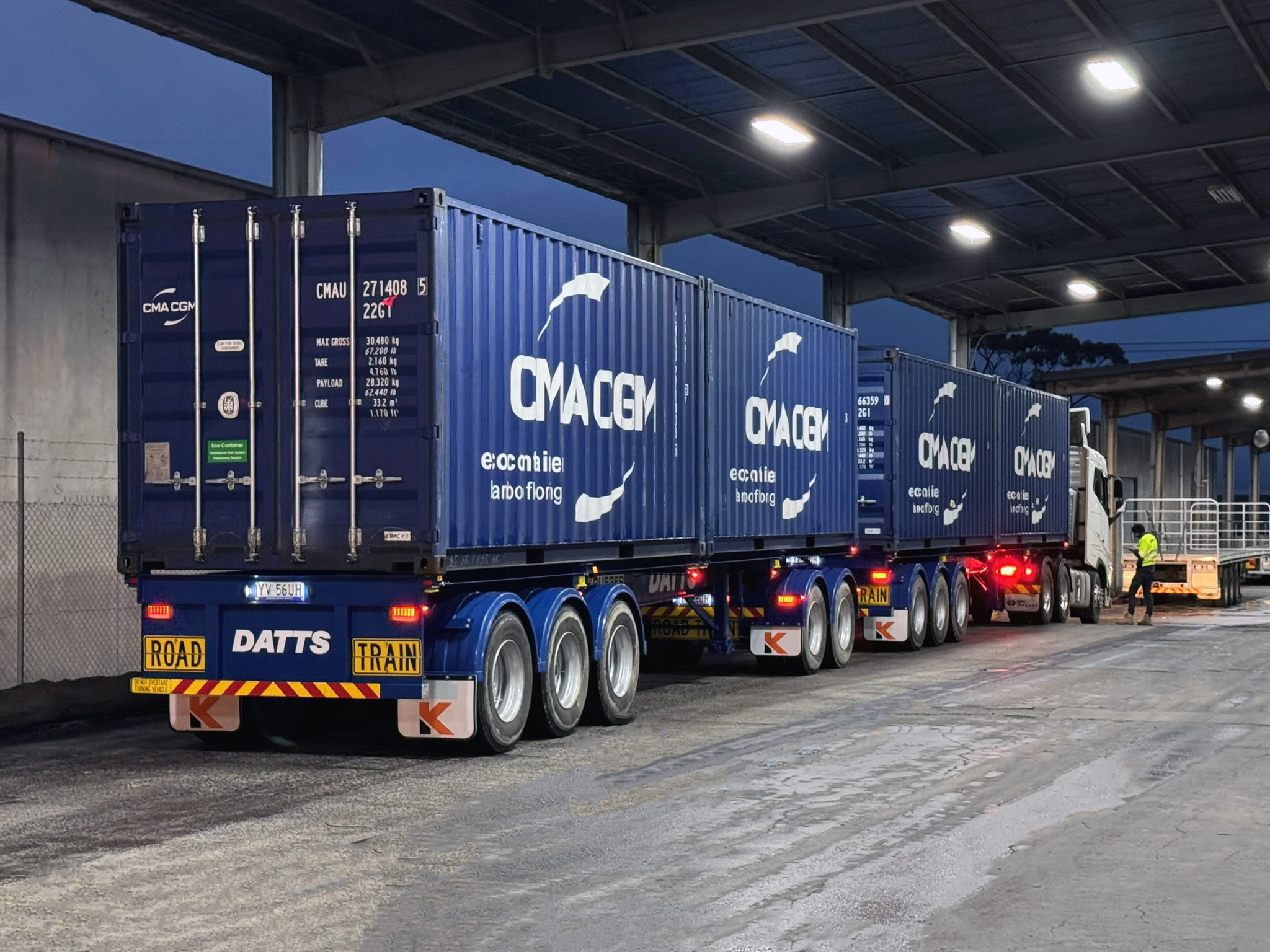
- On-site container unpack and integrated transport, so containers do not get double-handled across sites.
- Staff continuity and tenure (high turnover at a 3PL becomes your problem fast).
- Named account manager and a clear escalation path.
Ask for three customer references at your volume level, and call them. Ask specifically about month-end invoice surprises, inventory accuracy and how the 3PL handled the last time something went wrong.
The hybrid model: not always a compromise
A growing number of Melbourne importers run a hybrid model. Core inventory sits in an in-house pick-and-pack operation, while overflow stock, seasonal volume and specialised cargo (especially anything DAFF-affected) sits at a 3PL.
This works particularly well for importers with predictable core volume and unpredictable seasonal peaks. The in-house operation stays right-sized year-round, the 3PL absorbs the swings, and biosecurity-sensitive cargo lives at a DAFF-approved facility from the moment it lands.
Why the one-roof 3PL story matters for Melbourne importers
If you decide a 3PL is the right fit, the next question is what kind of 3PL. The Melbourne market has providers that specialise in pick-and-pack ecommerce, providers that specialise in pallet storage, and providers that integrate transport, biosecurity treatment, container unpack, warehousing and distribution under one operational team.
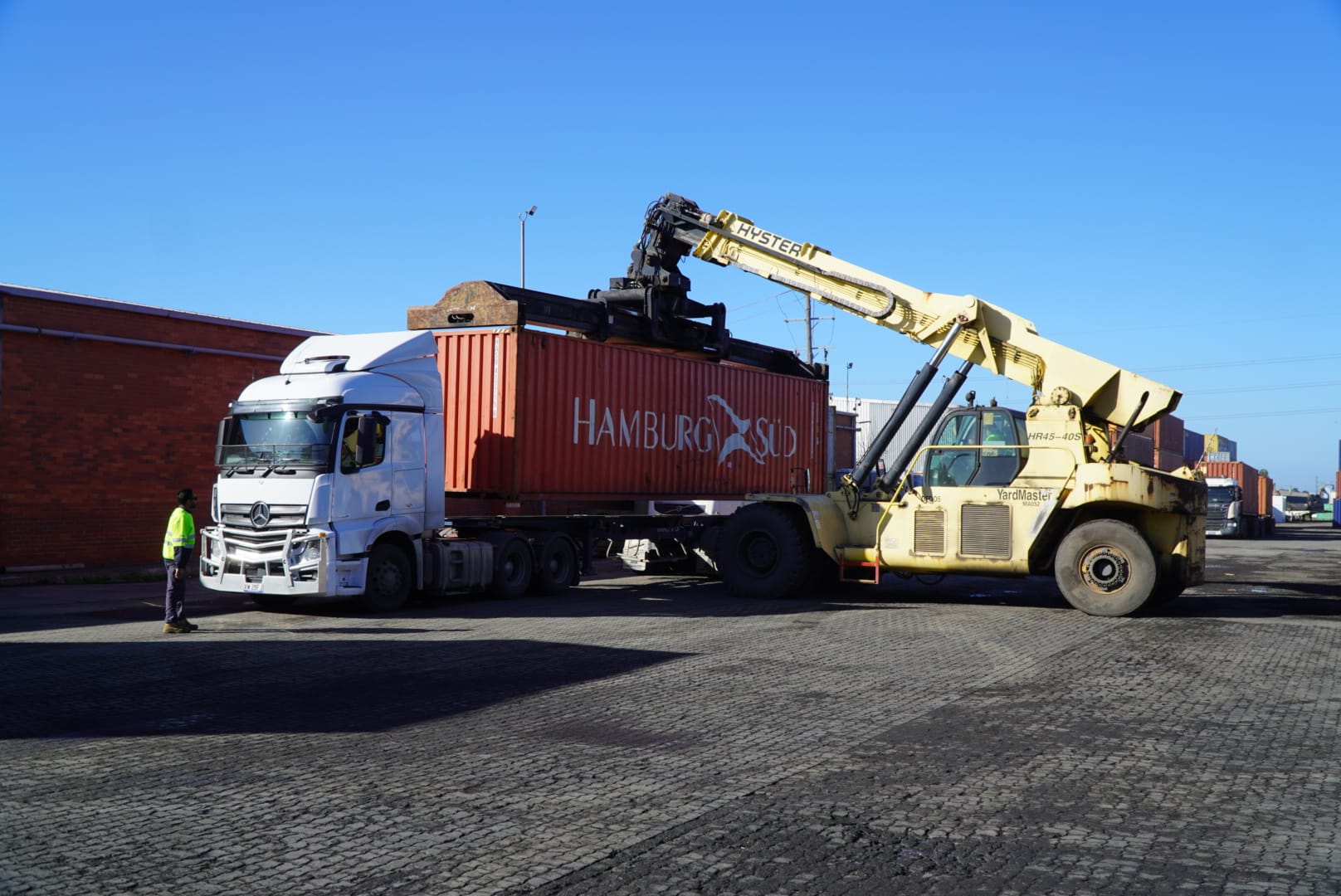
For import businesses, that last category removes most of the coordination pain. Containers move from the wharf to the warehouse, get treated on the same site if DAFF directs it, get devanned into storage, and get dispatched to customers from one operational team and one set of systems.
How Datts Logistics fits in
Datts operates a 9,000 plus square metre, DAFF-approved warehousing and distribution facility in Laverton North that combines transport, fumigation, container unpack and warehousing under one roof. For Melbourne importers weighing up the 3PL versus in-house decision, Datts is the version of 3PL that absorbs the most coordination overhead.
If your import volume is growing, your cargo touches biosecurity, or you are tired of managing four different providers for one supply chain, the conversation worth having is which parts of the operation are best handled in-house and which are best handed to a partner.
Frequently asked questions
Usually when annual warehousing and handling spend passes AUD 600,000 to AUD 800,000. Below that level, the per-unit cost of a 3PL is almost always lower than running your own warehouse properly.
Typically two to six weeks from contract signing to live operations, depending on cargo complexity and the WMS integration required. Compare that to two to six months to set up a comparable in-house operation.
Only if the 3PL is DAFF-accredited. Confirm the specific accreditation level (for example, 4.6 for fumigation) and check whether treatment is performed on site or subcontracted. Onsite treatment is faster and reduces handovers.
Management time. The hours founders and senior operators spend hiring warehouse staff, dealing with churn, managing safety compliance, and running daily warehouse operations are real costs that rarely make it into the cost model.
Yes. Hybrid models are increasingly common, particularly for importers with predictable core volume and seasonal peaks, or with a mix of biosecurity-sensitive and general cargo.
Talk to Datts about your warehousing model
If you are weighing up the move from in-house to a 3PL, or thinking about a hybrid setup, Datts Logistics offers transport, DAFF-approved fumigation, container unpack, warehousing and distribution from one Laverton North site.
Call (03) 9398 2878 or email info@datts.com.au to walk through your numbers and see whether the model fits.