
Your container has arrived at the Port of Melbourne. Customs clearance is done. Biosecurity has given the green light. Now what?
For a lot of importers — particularly those early in their importing journey or scaling up their volumes — everything that happens between port and final delivery is a bit of a blind spot. Cargo disappears into “the logistics process” and hopefully turns up at the right place, at the right time, in the right condition.
But what actually happens in that gap matters. It affects your costs, your delivery timelines, your compliance obligations, and ultimately, your customer experience. This post walks through each step of the process so you know exactly what’s involved.
Step 1: Container Release and Wharf Cartage
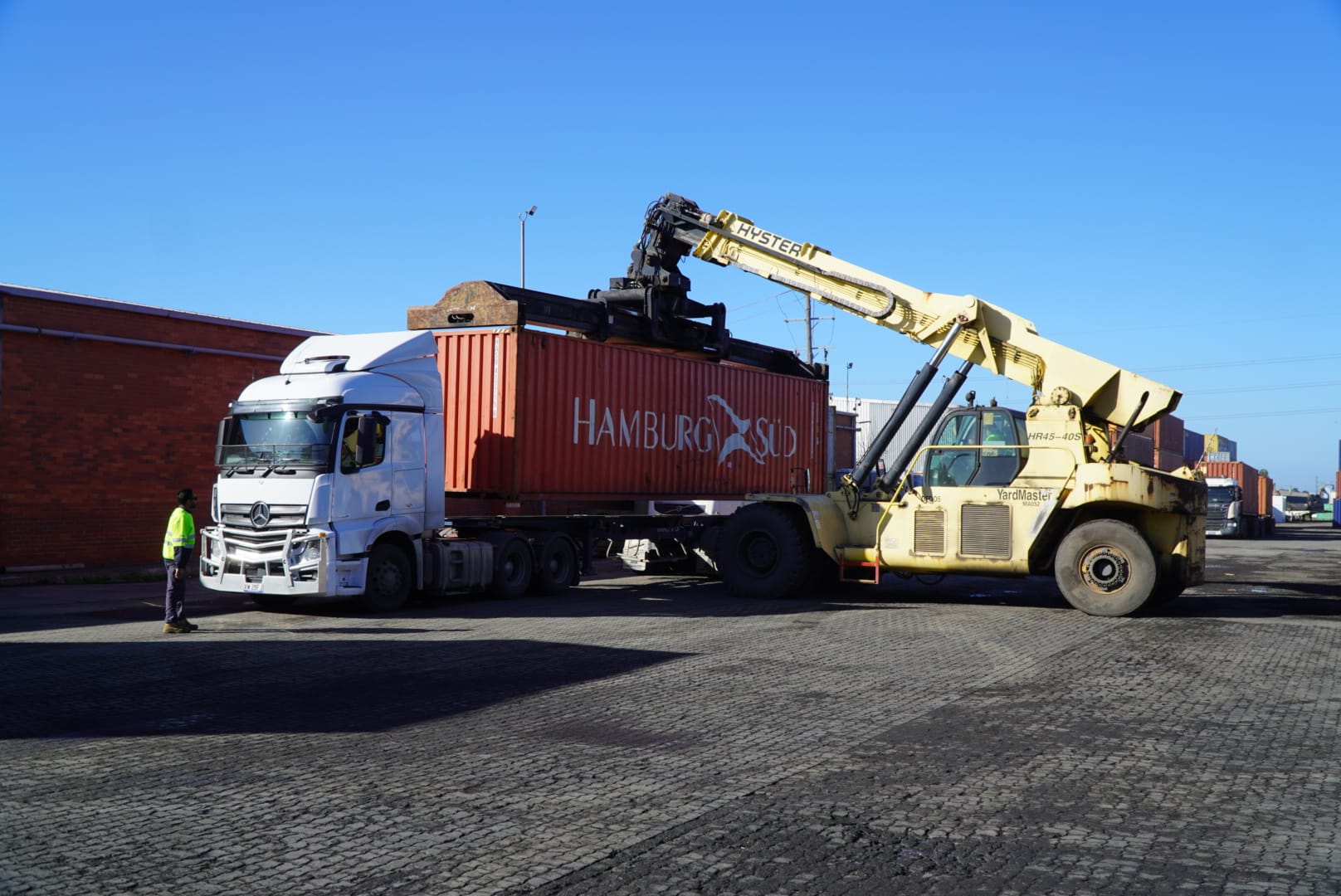
Once your container is cleared by the Australian Border Force (ABF) and the Department of Agriculture, Fisheries and Forestry (DAFF), it’s released for collection from the port terminal.
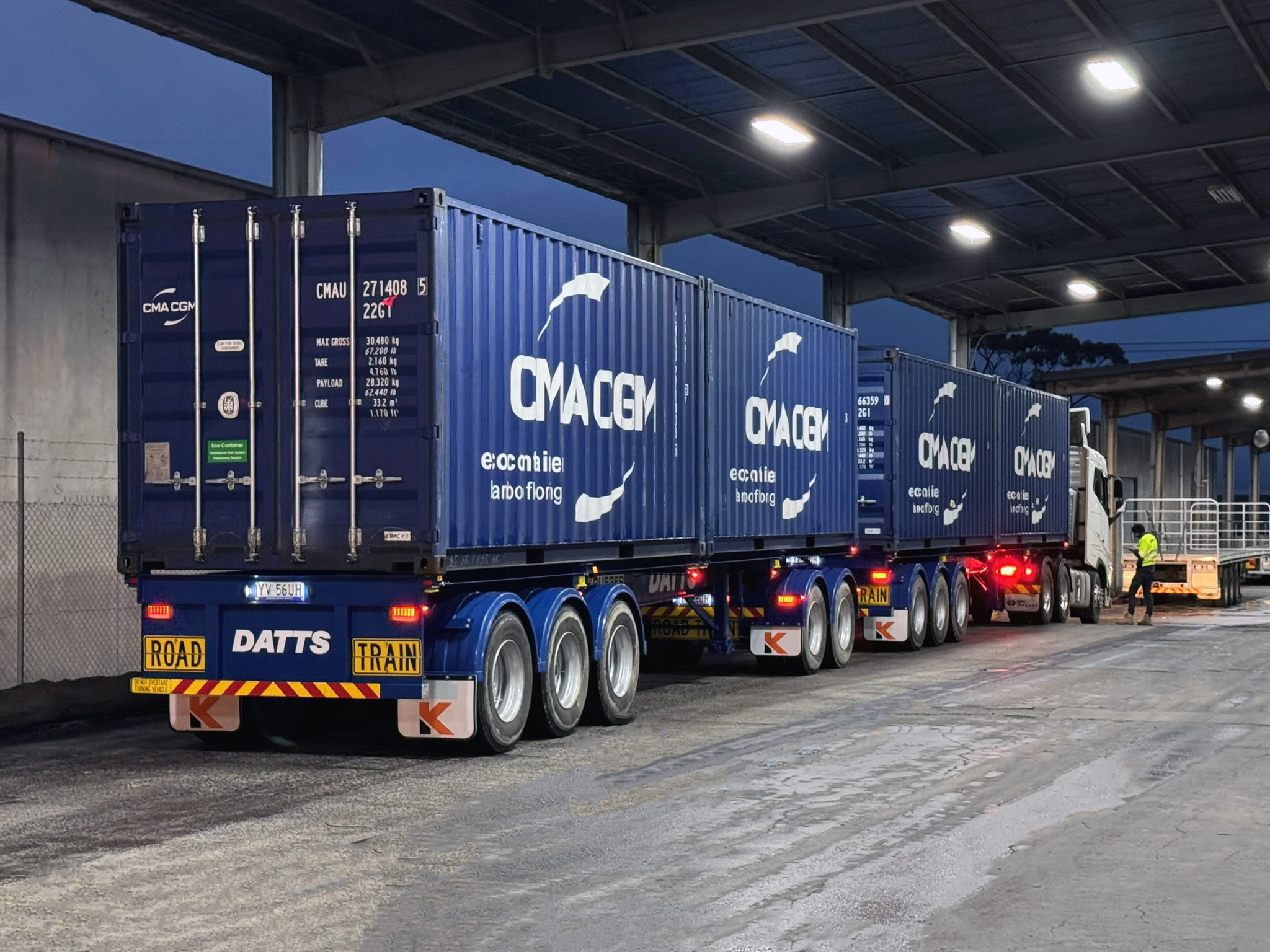
This first leg of transport — from the port terminal to a warehouse, depot, or treatment facility — is called wharf cartage. It sounds simple enough, but timing and coordination matter here.
Port terminals operate on specific schedules and have Vehicle Booking System (VBS) slots that transport operators need to secure. Miss your slot and you’re waiting for the next available window, which pushes your entire delivery timeline back.
The type of container also affects what vehicle is needed. Standard 20-foot and 40-foot containers typically travel on sideloaders or tilt trays. Oversize or over-weight containers may need special permits and equipment.
At Datts, our fleet operates out of Laverton North — a short run from the Port of Melbourne. That proximity cuts transit time and keeps your container moving quickly from release to the next step in the chain.
Step 2: Biosecurity Inspection and Treatment (If Required)
Not every container needs treatment, but if yours does, this is where it happens.
DAFF may direct your container for quarantine inspection based on the goods, the country of origin, or seasonal risk measures (like BMSB requirements from September to April). If inspection reveals biosecurity concerns, your cargo may need fumigation, heat treatment, or other approved treatment methods before it can be released.
This is where having your transport provider and treatment facility in the same location makes a real difference. If your container gets directed for treatment and it’s already at a DAFF-approved facility, the treatment can start immediately. No additional transport. No re-booking. No waiting for a slot at a separate provider.
Our Laverton North facility is DAFF-approved for fumigation, with capacity to handle up to 100 TEU at once. If your container needs treatment after arriving from the port, it’s already where it needs to be.
Step 3: Container Unpacking (Devanning)
Once your container is cleared — either straight from the port or after treatment — the next step is unpacking, also known as devanning.
This involves opening the container and unloading the cargo, typically onto pallets for easier handling and storage. Depending on your goods, this might also include:
- Palletising loose cargo or cartons
- Labelling or re-labelling products
- Counting and checking quantities against your packing list
- Photographing goods for inventory records or damage documentation
- Segregating items by SKU, order, or destination
The quality of the devanning process directly impacts your inventory accuracy and downstream operations. Sloppy unpacking leads to miscounts, misplaced stock, and damaged goods — problems that compound as they move through your supply chain.
Step 4: Warehousing and Storage
With your goods unpacked and checked, they move into storage. The type of warehousing you need depends on your business model and your cargo.
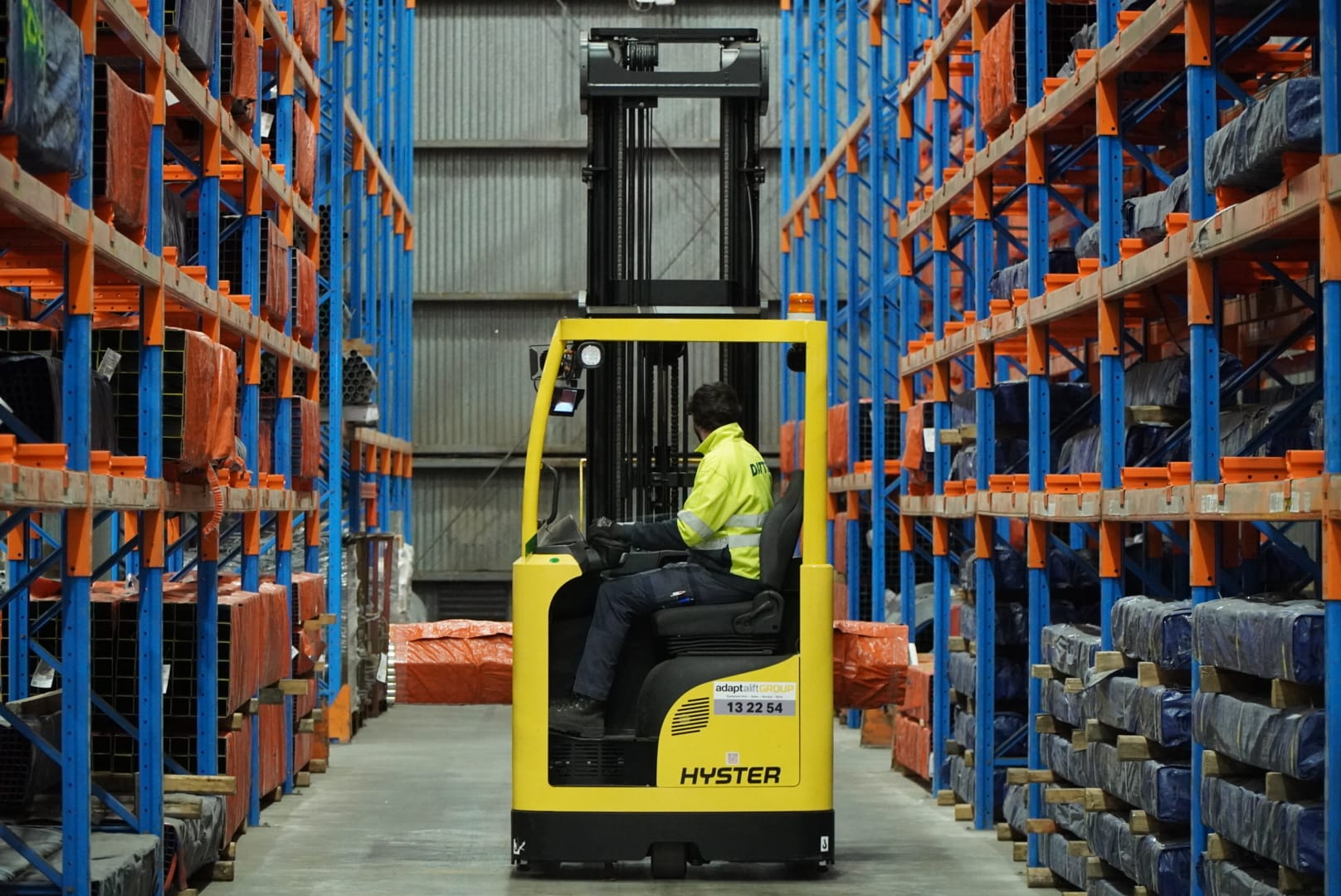
Racked storage works well for palletised goods that need to be picked by SKU — common for businesses running distribution or e-commerce fulfilment. Bulk or clear-span storage suits larger items, machinery, steel, or goods that don’t lend themselves to racking. Some goods require temperature-controlled storage or specific handling conditions.
Our warehouse in Laverton North covers over 9,000 square metres, with both racked and open storage options. Because the warehouse sits on the same site as our transport depot and fumigation facility, your goods don’t need to be trucked between locations. They move from the container to the shelf without leaving the property.
For importers, this matters because every time your cargo is loaded onto a truck and moved to a different site, you’re adding cost, time, and risk. Keeping the whole operation under one roof removes those layers.
Step 5: Distribution and Final Delivery
The last leg is getting your goods from the warehouse to their final destination — whether that’s a retail store, a construction site, a distribution centre, or direct to your end customer.
This could be a single bulk delivery or an ongoing pick-and-pack operation where individual orders are assembled and dispatched. The delivery method depends on the volume, the urgency, and the destination.
What matters here is coordination. Your warehouse provider should have visibility of your stock levels, your order flow, and your delivery schedule. When transport and warehousing sit with the same team, handover delays and communication breakdowns are far less likely.
Why the One-Roof Model Matters for Importers
Every time your cargo is handed between different providers — a separate transport company, a separate fumigation facility, a separate warehouse, a separate delivery fleet — there’s a gap. A gap where communication falls through, where timelines slip, where responsibility gets blurry.
The costs add up too. Each provider has their own fees, their own booking systems, their own timelines. You end up managing multiple relationships, chasing multiple invoices, and troubleshooting issues across multiple parties.
At Datts Logistics, we built our Laverton North facility specifically to keep the full chain under one roof. Container transport from the port. Fumigation and quarantine treatment on-site. Unpacking, warehousing, and storage in our 9,000+ sqm facility. Distribution and delivery from the same location.
One team. One point of contact. One site.
It’s a simpler model, and for importers managing tight margins and tight timelines, simpler usually means fewer problems and lower costs.
Frequently Asked Questions
How long does it take to get a container from the Port of Melbourne to a warehouse?
In most cases, a container can be collected and delivered on the same day it’s released from the port terminal, depending on VBS slot availability and any treatment requirements. Laverton North is a short run from the port, so transit times are minimal.
What if my container needs fumigation after arriving at the warehouse?
If your container is directed for treatment by DAFF, having it at a DAFF-approved facility means treatment can start without re-transporting the container. At our Laverton North site, fumigation happens on the same premises as warehousing and transport.
Do I need to arrange transport, unpacking, and warehousing separately?
You can, but it adds complexity and cost. Working with a single provider who handles the full chain — from port pickup through to final delivery — reduces handovers, simplifies communication, and typically saves money.
Importing into Melbourne and want the full chain handled from one location? Datts Logistics manages container transport, fumigation, unpacking, warehousing, and delivery from our Laverton North facility. Get a quote for your next shipment.