
The warehouse you choose will touch almost every part of your import operation. Delivery speed, compliance risk, stock accuracy, customer satisfaction — all of it runs through wherever your goods are stored.
For importers operating in Melbourne, the decision feels straightforward on the surface: find a warehouse with enough space, at a reasonable price, in a decent location. But the real differences between warehouse providers show up in the details — and those details have a direct impact on your bottom line and your ability to scale.
This post covers what to look for, what to watch out for, and the questions worth asking before you commit.
Location Is More Than a Pin on a Map
Melbourne’s logistics infrastructure is built around a few key corridors, and where your warehouse sits relative to the Port of Melbourne, major arterials, and your end customers shapes your transport costs and delivery speed.
Laverton North and Melbourne’s western suburbs sit in the heart of the city’s logistics corridor. The Port of Melbourne is a short run away. The Western Ring Road and the West Gate Freeway provide direct access to distribution points across Melbourne and regional Victoria. Major freight routes connect to interstate networks.
For importers, this geography means containers can move from port to warehouse quickly, and outbound deliveries can reach most of Greater Melbourne within the same day. Every extra kilometre between the port and your warehouse adds to your per-container transport cost — and over hundreds of containers a year, that adds up fast.
What to Look for in a Warehouse Partner
Not all warehouses are set up to handle import cargo effectively. Here are the capabilities that matter most:
DAFF Approval and Biosecurity Capability
If you import goods that may be subject to biosecurity inspection or treatment — agricultural products, timber, goods from BMSB risk countries, or anything that might attract DAFF attention — your warehouse needs to be equipped for it.
A DAFF-approved facility can receive and hold goods under biosecurity direction, and in some cases, carry out treatment on-site. If your warehouse doesn’t have this approval, any container directed for treatment needs to be transported to a separate facility, treated, and then moved again. That means double-handling, extra transport costs, and delays.
Container Handling and Unpacking
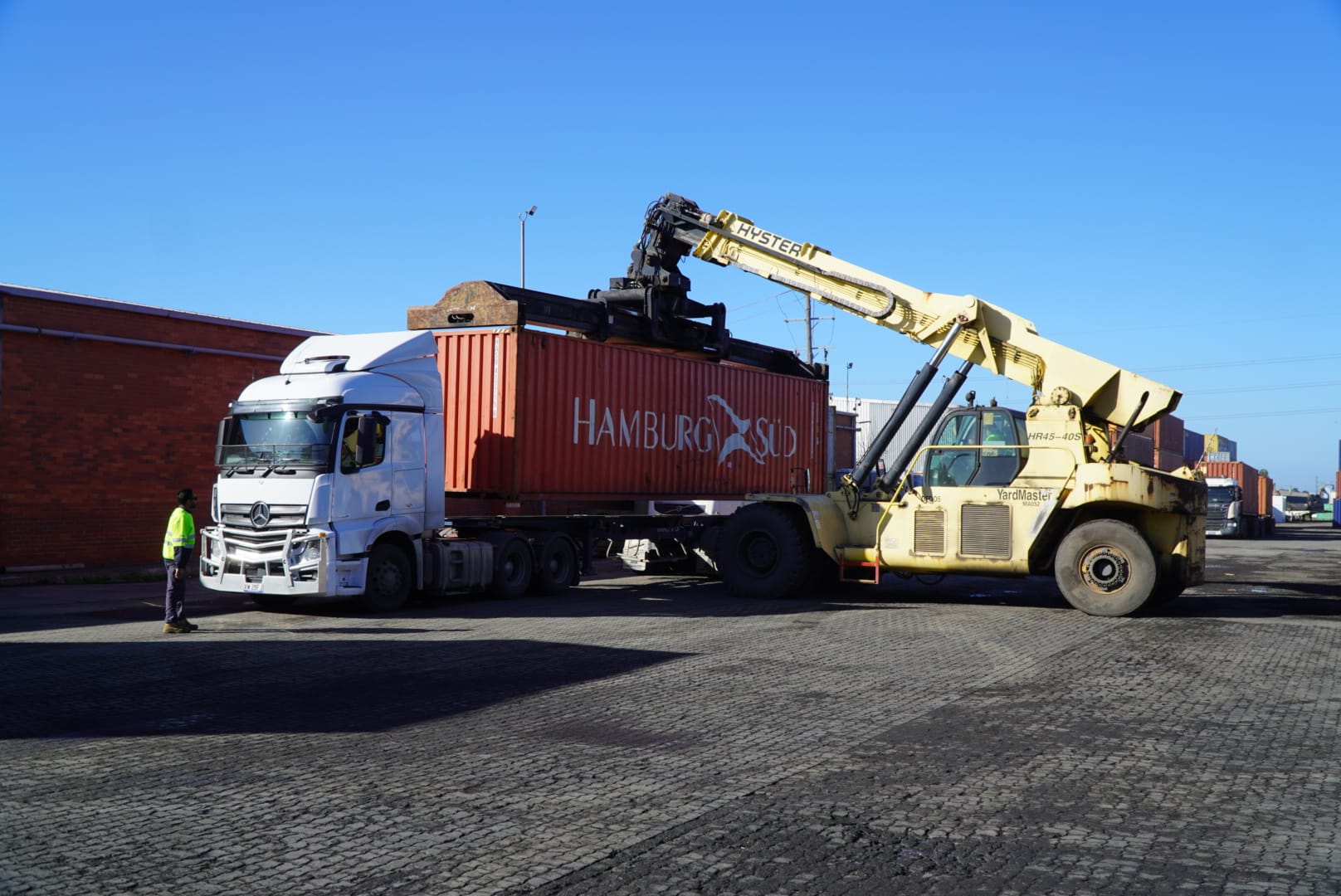
Your warehouse should be able to receive containers directly — ideally with the right equipment for both 20-foot and 40-foot containers, and the space and labour to unpack (devan) them efficiently.
Look for providers who can palletise, label, count, and photograph your goods during the unpack process. Quality control at this stage catches problems early — damaged goods, short shipments, labelling errors — before they move into storage and become harder to identify.
Storage Options
Different goods need different storage conditions. The right warehouse should offer:
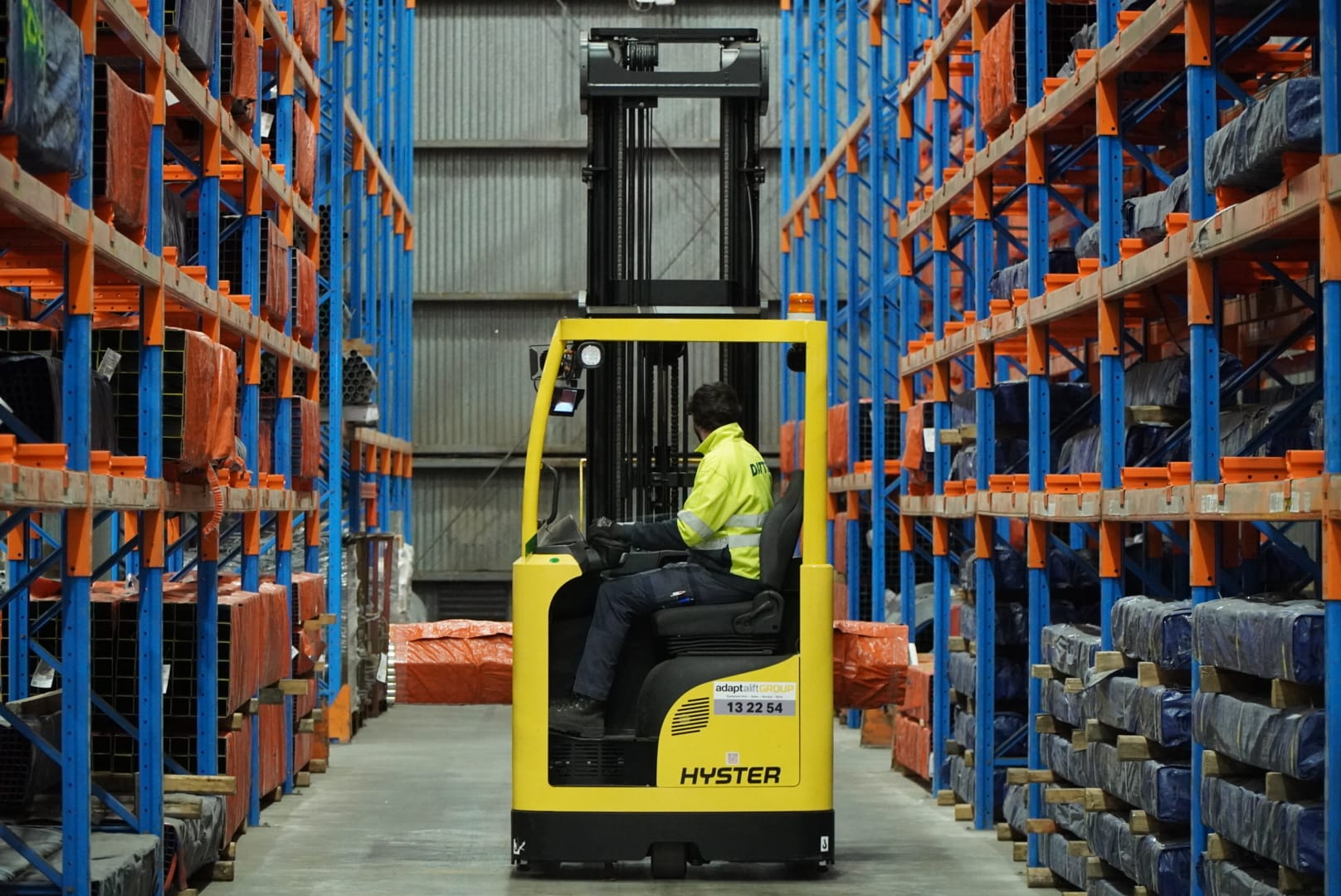
- Racked storage for palletised goods, with the ability to pick by SKU for order fulfilment
- Bulk or clear-span storage for oversized items, machinery, steel, or building materials
- Secure storage for high-value goods
- Adequate capacity to handle your current volumes with room to scale
Ask about their current utilisation rate. A warehouse that’s already at 95% capacity may struggle to accommodate your growth or seasonal volume spikes.
Inventory Management Systems
Visibility of your stock is non-negotiable. Your warehouse partner should be able to tell you — at any point — what’s in stock, where it is, and what’s moving. Look for providers with digital inventory management systems, not clipboard-and-spreadsheet operations.
Good systems give you real-time stock levels, automated alerts for low inventory, and reporting that helps you plan your next shipment. This visibility prevents over-ordering, reduces stockouts, and supports better cash flow management.
Transport Integration
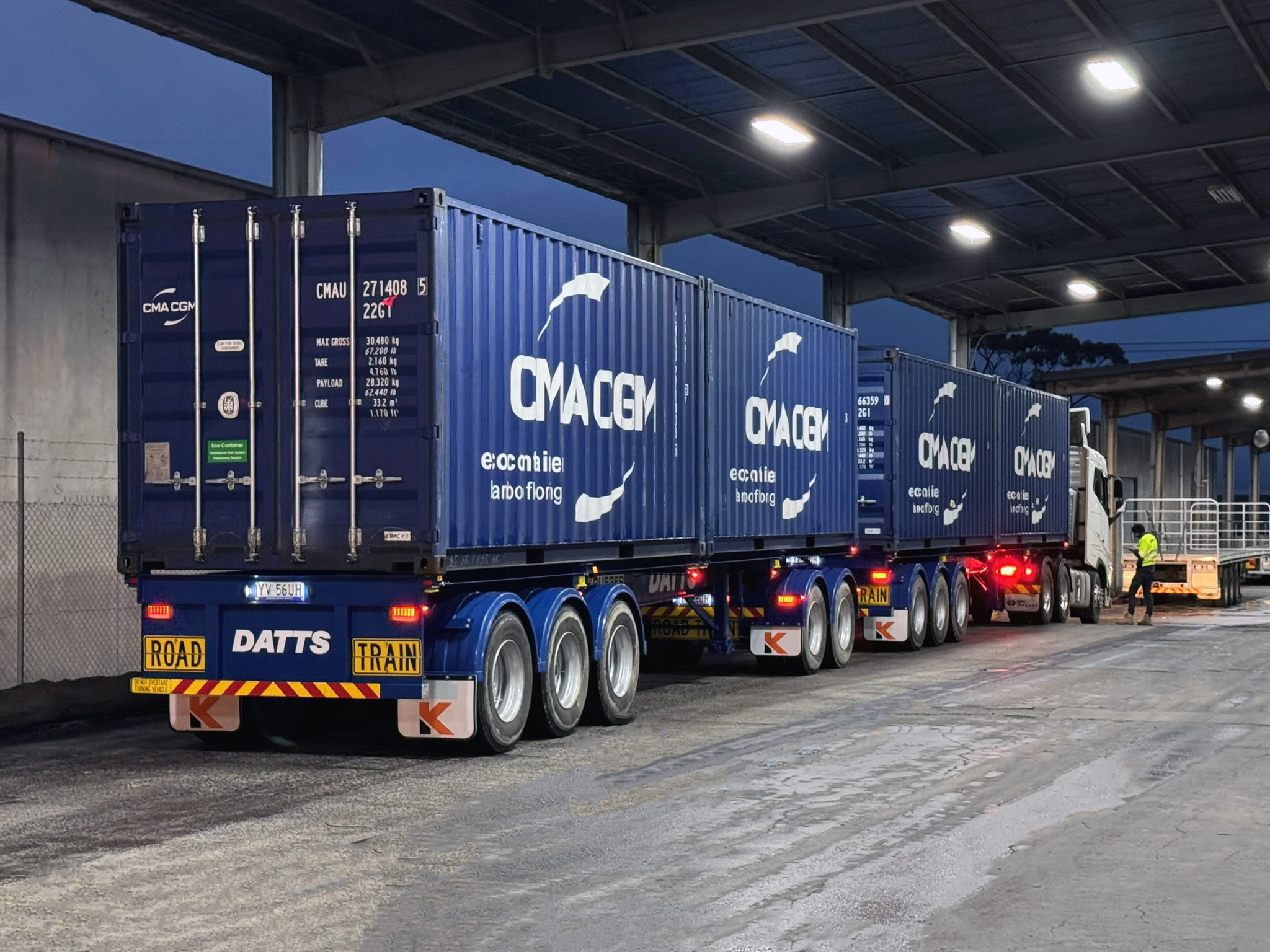
The best warehouse relationship is one where transport is part of the same operation. When your warehouse provider also handles container pickup from the port and outbound delivery to your customers, the entire chain is managed by one team.
This removes the coordination overhead of managing separate transport and warehousing providers — and it eliminates the finger-pointing that happens when something goes wrong between two different companies.
The Hidden Costs of Choosing on Price Alone
The cheapest warehousing quote often ends up being the most expensive option. Here’s where the hidden costs tend to sit:
Double-handling fees. If your warehouse can’t handle fumigation or quarantine treatment on-site, your container may need to visit a separate treatment facility before arriving at the warehouse. That second leg of transport, plus the loading and unloading, adds cost you wouldn’t see in a simple per-pallet storage quote.
Compliance delays. A warehouse without DAFF approval or biosecurity experience may not know how to handle DAFF directions efficiently. Delays in getting your goods treated and cleared translate to storage charges, missed delivery windows, and unhappy customers.
Damage from inadequate storage. Goods stored in the wrong conditions, handled by untrained staff, or stacked poorly will get damaged. That damage eats into your margin and creates return logistics headaches.
Lack of visibility. A warehouse that can’t give you accurate, real-time stock data forces you to manage inventory blind. You’ll over-order to compensate (tying up cash), or you’ll run short and miss sales.
Communication gaps. When transport and warehousing are handled by separate providers, communication gets fragmented. Updates are slower. Accountability is unclear. Issues take longer to resolve. The time you spend managing these relationships has a real cost, even if it doesn’t appear on an invoice.
Questions to Ask Before Signing a Warehousing Agreement
Before committing to a warehouse partner, get clear answers to these questions:
- Are you DAFF-approved? If your goods may require biosecurity treatment, this is essential. Ask specifically about their approval status and what treatments they can perform on-site.
- Can you handle container unpack on your premises? You want goods going from container to shelf without a detour. Confirm they have the equipment, space, and labour for devanning.
- What’s your current capacity and utilisation? A warehouse at near-full capacity may not be able to accommodate your growth. Ask about both current usage and what happens during peak periods.
- Do you offer transport as well? A provider who handles port pickup, warehousing, and delivery removes handover points and simplifies your logistics management.
- What inventory management system do you use? Ask for a demonstration. You want real-time visibility, not weekly spreadsheet updates.
- What are all the fees? Get a complete breakdown. Per-pallet storage rates tell one part of the story. Ask about receiving fees, handling fees, pick-and-pack charges, minimum storage periods, and any surcharges.
- What insurance coverage do you carry? Understand what’s covered while your goods are in their care, and where your own insurance needs to fill the gaps.
How Datts Approaches Warehousing Differently
We built our Laverton North facility around a simple idea: keep the full import logistics chain under one roof.
Our warehouse covers over 9,000 square metres of storage space, with both racked and open storage configurations. The facility is DAFF-approved, so biosecurity inspections and fumigation treatments happen on the same site — no double-handling, no secondary transport.
Because we also operate our own transport fleet from the same location, your container moves from the Port of Melbourne to our facility, gets treated if needed, unpacked, stored, and delivered — all managed by the same team.
Clients like Haygrove Distribution and Adsteel Brokers work with us because the model is straightforward. One provider, one location, one point of contact. No chasing multiple companies. No coordination headaches. No surprises.
For importers who value control, visibility, and a logistics partner who’s invested in getting things right, that’s a meaningful difference.
Frequently Asked Questions
How big is the Datts Logistics warehouse in Laverton North?
Our facility covers over 9,000 square metres, with a mix of racked and open storage configurations to suit different cargo types and volumes.
Can Datts handle biosecurity treatment on-site?
Yes. Our Laverton North facility is DAFF-approved for fumigation, with capacity to treat up to 100 TEU at once. If your container is directed for treatment by DAFF, it can be handled without leaving our premises.
Do I need to arrange my own transport to the warehouse?
No. We operate our own transport fleet and can collect your container directly from the Port of Melbourne. Transport, treatment, warehousing, and delivery are all managed from the same location by the same team.
Looking for a warehouse partner in Melbourne that handles the full chain? Datts Logistics offers transport, DAFF-approved fumigation, unpacking, warehousing, and delivery from one Laverton North facility. Request a quote or book a site tour to see the operation first-hand.