

Fumigation Services Melbourne (BMSB Seasonal)
BMSB Fumigation in Melbourne: Import Container Treatment for the 2025–26 Season
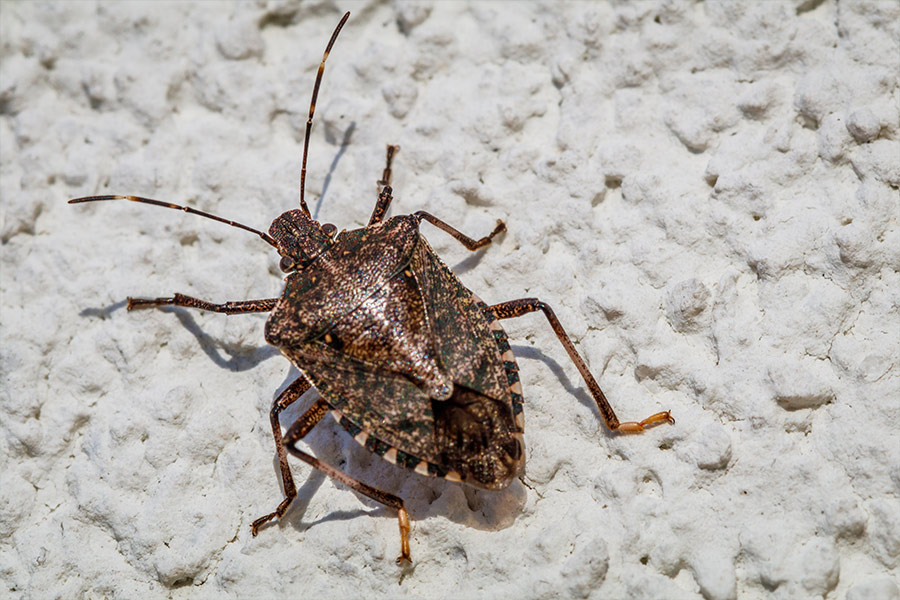
BMSB fumigation in Melbourne is a critical biosecurity requirement for import containers arriving during the seasonal risk period. These treatments protect Australia from invasive pests such as the Brown Marmorated Stink Bug (BMSB), timber insects, and other quarantine threats.
Datts Logistics operates a DAFF-approved fumigation facility in Laverton North, with capacity to treat up to 100 TEU at once. During the 2025–26 BMSB season (1 September 2025 to 30 April 2026), our licensed on-site fumigators provide fast, compliant treatment for cargo arriving from target risk countries.
As a result, importers avoid delays, vessel holds, and costly re-export orders.
What Is BMSB and Why Is Fumigation Required?
The Brown Marmorated Stink Bug is an invasive pest that poses a serious threat to Australia’s agricultural and horticultural industries. Originally from Asia, it has spread through Europe and North America, where it causes widespread crop damage.
Because of this risk, Australia enforces strict seasonal controls on imported goods.
During the BMSB risk period (September to April), cargo shipped from 41 target risk countries must meet treatment or inspection requirements before release.
In practice, this means:
Target high-risk goods must be treated before release
Target risk goods may be inspected and treated if BMSB is found
Without compliant treatment, goods may be:
Held at the port
Directed for fumigation under urgency
Ordered for export
Consequently, untreated cargo can lead to missed delivery windows, lost sales, and damaged supplier relationships.
BMSB Season 2025–26: What Importers Need to Know
The 2025–26 BMSB season runs from 1 September 2025 to 30 April 2026. Importantly, the “shipped on board” date on the Bill of Lading determines whether seasonal measures apply.
Several updates apply this season.
Key changes for 2025–26
Japan and the Republic of Korea are now listed as emerging risk countries and are subject to random inspections
Airfreight from the USA and China may now face random inspection for target high-risk goods
Ethyl Formate has been approved as an additional offshore treatment option
Target risk countries continue to include most of Europe, North America, East Asia, and parts of South America. For accuracy, importers should always confirm the current list via DAFF.
BMSB Treatment Requirements Explained
Treatment rules depend on cargo type and container configuration.
In general:
Break bulk, flat rack, and open-top containers must be treated offshore
FCL cargo in sealed hard-sided containers can be treated on arrival in Australia
Onshore treatment may be performed at DAFF-approved facilities such as Datts Laverton North
All fumigation must be completed using approved methods, including:
Sulfuryl Fluoride
Methyl Bromide
Heat Treatment
Ethyl Formate
Because incorrect treatment can invalidate clearance, provider accreditation matters.
Datts Fumigation Facilities and Capabilities
Datts Logistics operates a DAFF 4.6-accredited fumigation facility in Laverton North. This accreditation authorises us to perform biosecurity treatments on import goods under controlled conditions.
Our capabilities include:
100 TEU fumigation capacity, allowing high-volume processing during peak BMSB season
Licensed on-site fumigators, fully trained and accredited
No subcontracting, meaning containers stay on one site
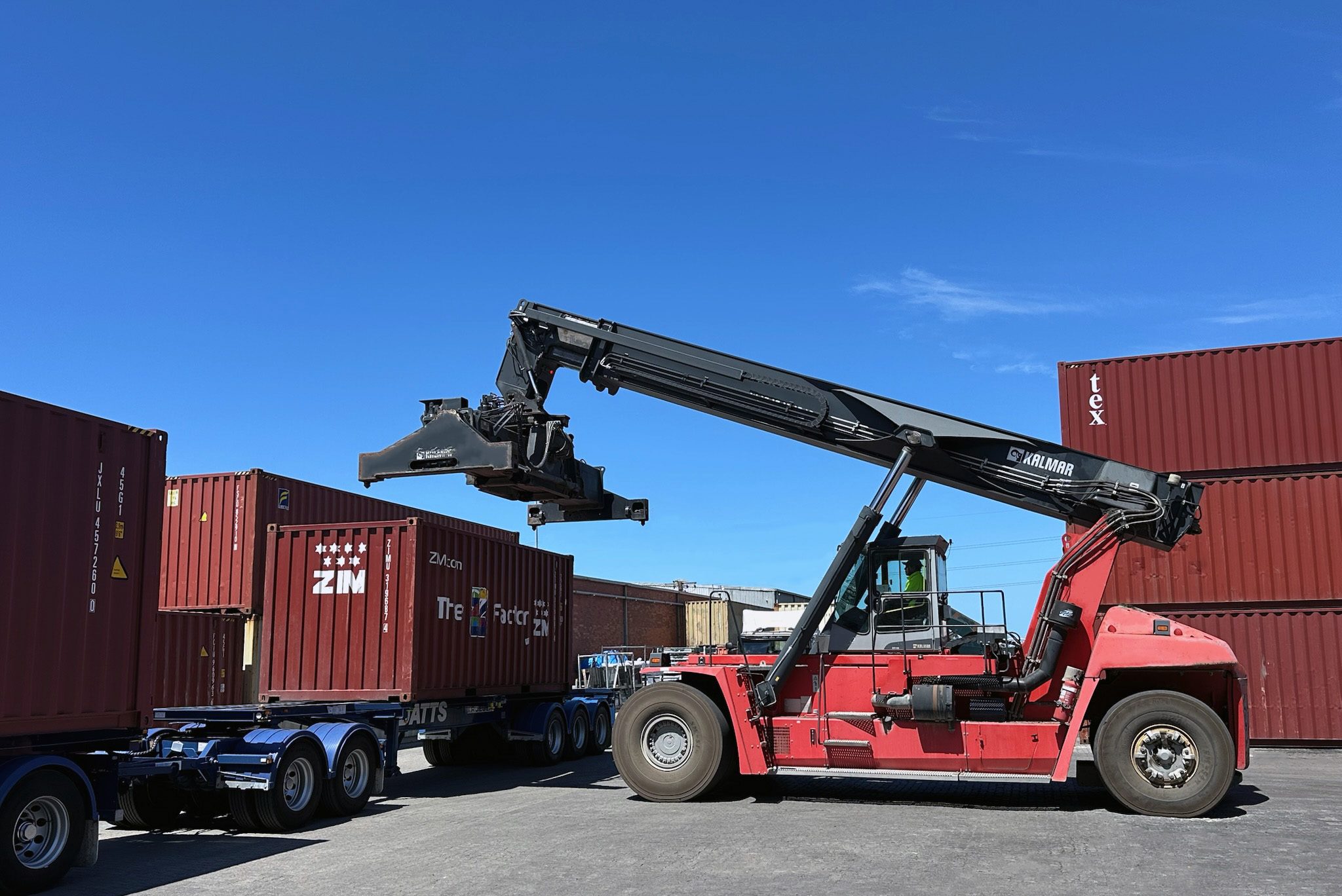
Integrated container handling, including port collection, fumigation, storage, and delivery
Fast turnaround, with most treatments completed within 48 hours
Direct DAFF certification links, supporting efficient release
As a result, containers move through treatment without unnecessary handovers or delays.
Beyond BMSB: Other Fumigation Services
While BMSB drives seasonal demand, biosecurity requirements apply year-round.
For this reason, Datts Logistics also provides:
Timber pest treatments for wooden packaging, pallets, and timber goods
AQIS tailgate inspection support, including fumigation if contamination is detected
Export fumigation, supporting phytosanitary requirements for overseas markets
Methyl Bromide treatments, performed under strict environmental and safety controls
These services support both import and export supply chains.
How Fumigation Works at Datts Logistics
The fumigation process follows a clear, controlled sequence.
Step 1: Container arrival
Containers arrive at our fumigation pad via our fleet or nominated carriers.
Step 2: Pre-treatment checks
Documentation is reviewed and treatment requirements are confirmed.
Step 3: Fumigation
Licensed fumigators apply the approved treatment. Containers remain sealed for the exposure period.
Step 4: Aeration
After treatment, containers are ventilated until safe gas levels are reached.
Step 5: Certification
Fumigation certificates are issued and linked to the consignment for DAFF clearance.
Step 6: Release or onward handling
Containers may then be unpacked, stored, or delivered onward.
Why Choose Datts for Fumigation in Melbourne?
Importers choose Datts Logistics for practical reasons.
All services under one roof, from transport to treatment to delivery
No third-party delays, with fumigation completed on site
High-capacity infrastructure, even during peak BMSB periods
Experienced biosecurity team, familiar with complex cargo
Strategic Laverton North location, close to the Port of Melbourne
Ultimately, this setup reduces risk, cost, and uncertainty during the BMSB season.
BMSB Fumigation You Can Rely On in Melbourne
For the 2025–26 BMSB season, compliant fumigation is not optional. Choosing the right provider protects your cargo, timelines, and commercial outcomes.
Datts Logistics delivers DAFF-approved fumigation, fast turnaround, and integrated container handling from our Laverton North facility.
If you are importing during BMSB season, planning early makes all the difference.
The fumigation process typically takes 24-48 hours including treatment, aeration, and certification. Containers can often be released for unpacking or delivery within two days of arrival.
Yes. Standard FCL fumigation treats cargo while it remains inside the sealed container. This is the most common approach for BMSB treatment.
Sulfuryl Fluoride fumigation is conducted at ambient temperature and is suitable for most cargo types. Heat treatment (an alternative to fumigation) does require elevated temperatures and may not suit all goods.
Check your shipped-on-board date, origin country, and HS tariff codes against DAFF’s seasonal measures. Your customs broker or freight forwarder can confirm treatment requirements.
Book fumigation services
For fumigation services in Melbourne, contact Datts Logistics on (03) 9398 2878 or email info@datts.com.au. Provide your container details, cargo type, and origin country for a quote.